How to Choose a Celebrant Who Actually Sees You — A Conversation with Teddy Bell
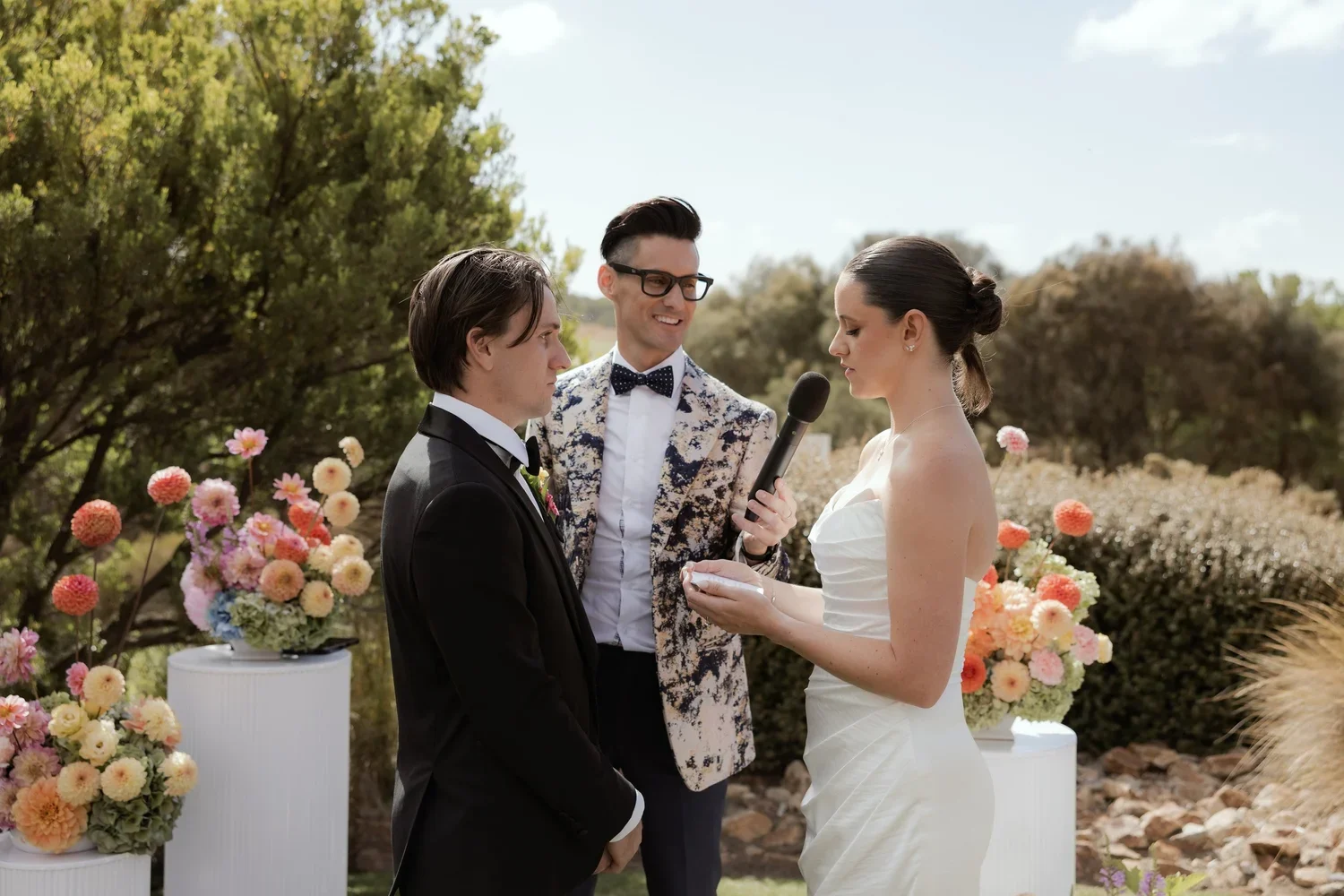
Photo taken by Dust & Salt Photography https://dustandsalt.com.au/
Teddy Bell didn't set out to become a celebrant so much as arrive at it. He kept turning up to weddings and having the same thought.
"I have the life skills and experience to bring something unique to a couple's wedding day," he told me. He's extensively travelled, spent years building a career around music and public speaking, and describes his own autistic brain as working in ways most people's don't. Put together, it's a combination that gives him a genuine creativity, a knack for modernising ceremonies that had gone a bit stale, and a habit of solving problems couples didn't know they had.
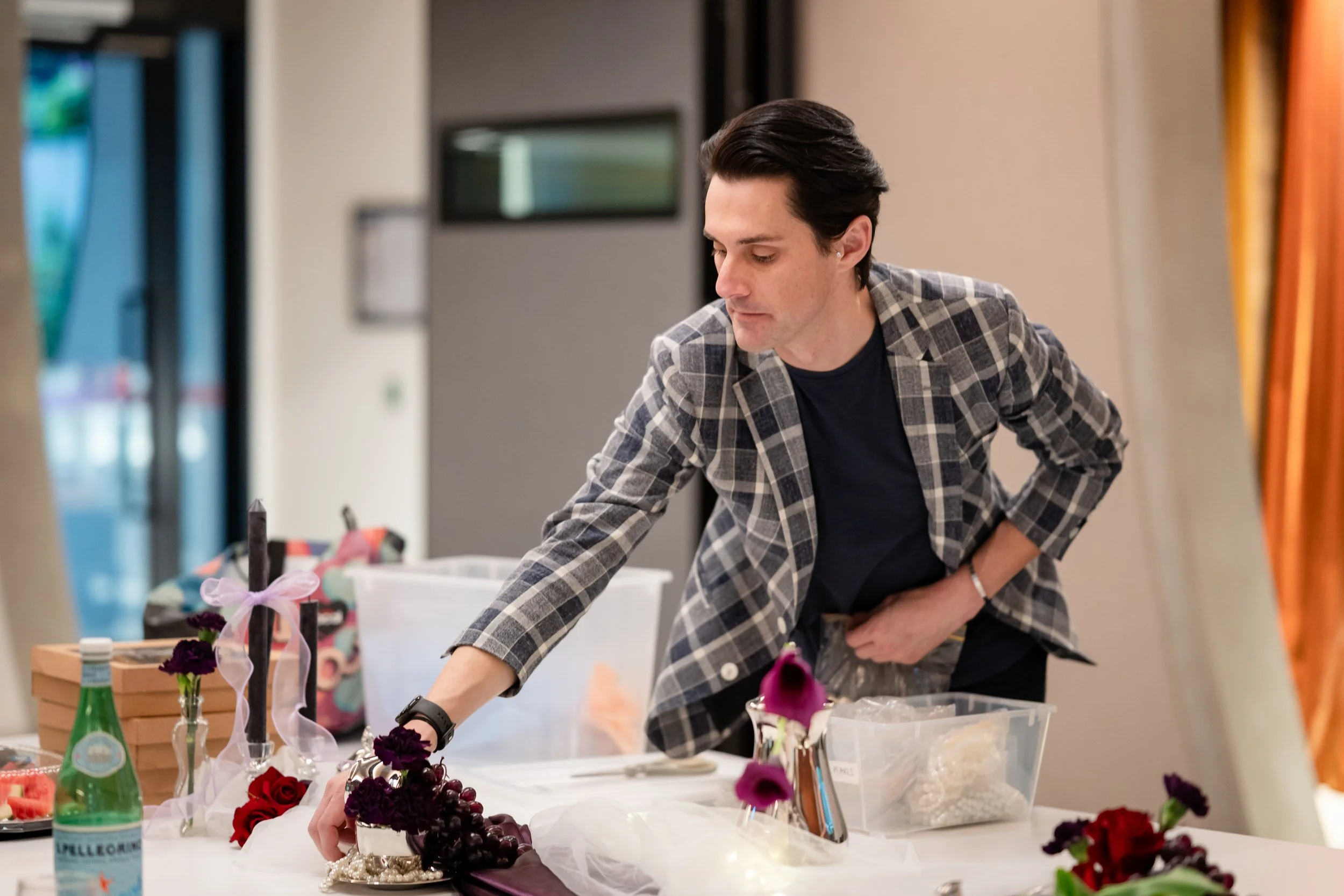
Inclusivity, for Teddy, was never a separate decision layered on top of any of that. "It's just what happens when you build a brand around actually seeing people clearly," he says, "rather than fitting them into a template."
That's the version of Teddy I've come to know myself. We actually met through an industry group, and we hit it off pretty much straight away. We've only known each other a short while, but it already feels like years — which says a lot more about Teddy than it does about time. He's got a genuine knack for building fast, meaningful connections with people, and it comes across as exactly what it is: real, not performed. He's kind, he's genuine, and he actually walks the talk. His website isn't just taglines — it reflects who he actually is.
We've got a wedding together coming up, and I'm looking forward to seeing all of this in action from behind the camera. In the meantime, I wanted to understand how he does it, because it's the same thing I care about in my own approach to a wedding day — building it around the couple in front of you, not a template.
Inclusive Wedding Ceremony Language: The Small Changes That Matter Most
A lot of what Teddy does is small enough that most guests never consciously notice it. "Ladies and gentlemen" becomes "friends, family, chosen family and beautiful humans." "Hey guys" is always "hey everyone." "Bride and groom" becomes "the nearlyweds," or just "the couple."
"None of this is a radical change," he says. "That's the point. They're small enough that most guests won't consciously register them, but specific enough that anyone in the room who's ever felt excluded by traditional wedding language absolutely will."
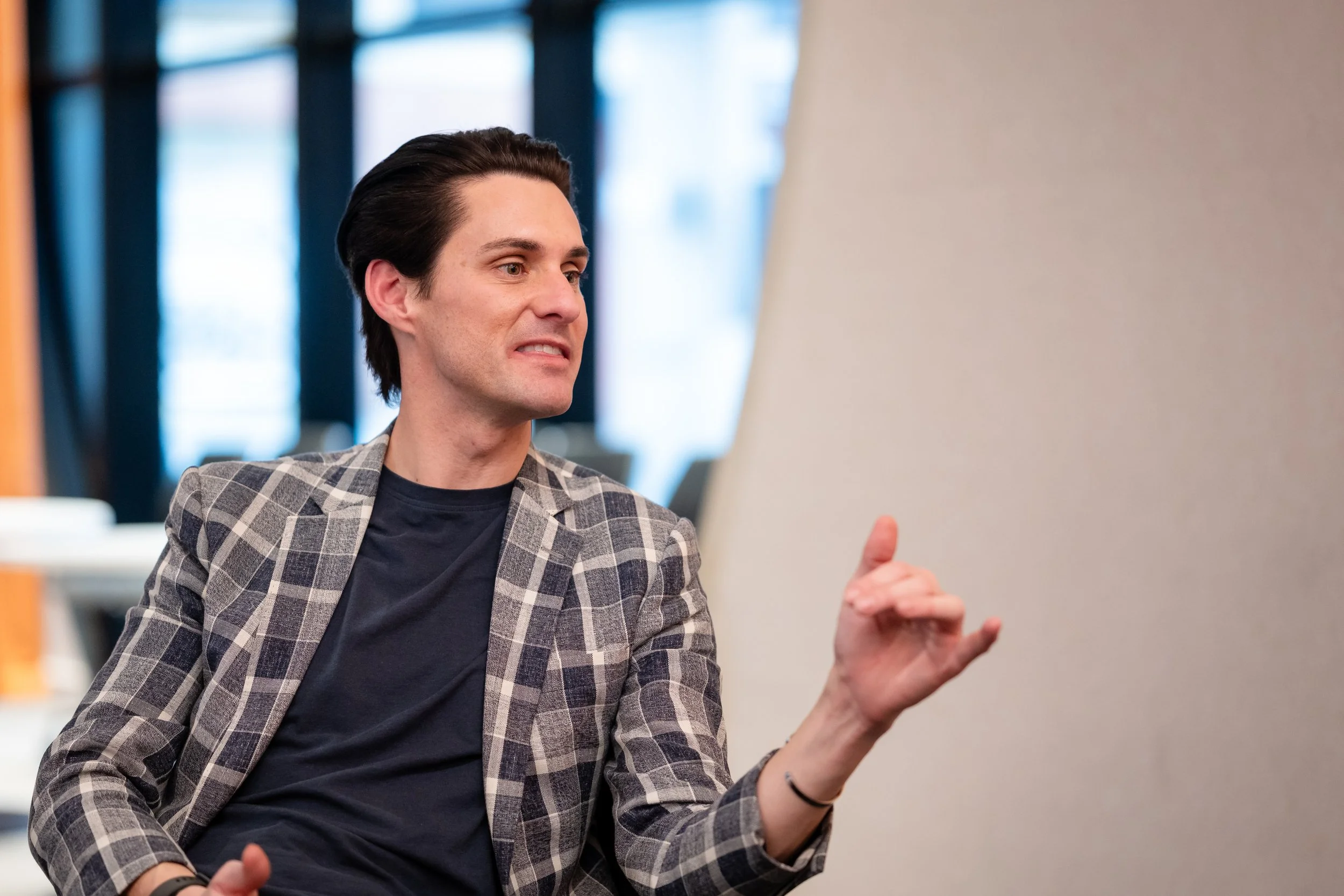
It starts before the ceremony is even written. Teddy never assumes how a couple wants to be referred to — he asks, rather than guessing from names or appearances. Some couples want gender-neutral language right through. Others want specific traditional terms kept for the parts that mean something to them personally. Both are fine by him. He just builds around whoever's actually standing in front of him.
Here's a small habit of his I liked: he always asks for a legal name and a preferred name, and keeps the difference between them private unless he's told otherwise. Doesn't sound like much on its own. But it's the kind of thing you only think to ask if you've actually sat across from someone and paid attention.
How Wedding Vendors Can Build a More Inclusive Business
Teddy isn't precious about keeping this approach to himself. When I asked what he'd tell other wedding vendors wanting to start their own inclusive journey, his answer was practical rather than lofty. "Start with your intake process, not your marketing," he told me. "The biggest-impact change is usually the smallest one: stop asking 'bride' and 'groom' on enquiry forms and start asking 'partner 1' and 'partner 2,' or simply 'your names.'"
He also went back to that legal name and preferred name question, because he thinks it matters more than most vendors realise. "Once someone gives you that distinction, use their preferred name consistently, and treat their legal name with the same discretion you'd want for your own private information," he says. "That gap between the two names is something they've trusted you with — protecting it is part of the job."
It's advice I've taken on board myself, in small ways — mostly in how I ask questions at enquiry stage. If you're a fellow vendor reading this, it's worth stealing. And if you're a couple reading this, it's worth knowing that the vendors talking to each other about this stuff, not just marketing it, are usually the ones who'll get it right on the day.

When Your Family Isn't as Ready for Inclusive Language as You Are
This comes up more than people expect. Sometimes a couple's completely comfortable with inclusive language and their family just isn't there yet. When that happens, Teddy puts the couple first, full stop. It starts with an honest conversation early on about what they actually want, and how much of that dynamic they'd rather handle themselves rather than leave to him on the day.
If tension does show up during the ceremony, Teddy's found that calm, confident delivery does most of the work. A celebrant who isn't apologetic about the language they're using tends to settle the room faster than one who is.
How to Handle Wedding Day Nerves, According to a Celebrant
Before celebrancy, Teddy spent years as a musician and public speaker, and both still shape how he runs a ceremony. Music gave him an ear for pace and rhythm — knowing when a line needs to breathe and when it needs to move. Years of press conferences and emceeing gave him the ability to think on his feet and read a room fast, which is exactly what you want in the person holding the microphone at your wedding.
That composure showed up the day a guest, a few drinks in, decided to heckle everyone mid-ceremony — the celebrant, the couple, the other guests. Teddy had two options: have him removed, or handle it himself. He called the man up to the front, put some music on and made him do karaoke. The mild embarrassment did the job. The guest laughed, sat back down, and the ceremony carried on without missing a beat. "Nobody remembers that ceremony for the interruption," Teddy says. "They remember it for how it was handled."
A lot of couples get nervous about being the centre of attention, and Teddy's take on it is pretty simple. "They don't need to perform for their guests," he says. "The guests are there because they already love them." Choosing a celebrant whose personality actually matches yours does more to settle those nerves than anything else — makes sense, given they're the one fronting most of the ceremony.
Questions to Ask a Wedding Celebrant Before You Book
A good list to take to any celebrant enquiry, regardless of who's marrying whom:
What contact can we expect between now and our day?
How are you different to other celebrants?
What's your process, from booking through to the ceremony itself?
Do you write a custom script, or recycle material from other weddings?
Have you worked with couples like us before, including our specific circumstances?
How do you handle the legal paperwork, and what's expected of us?
Do you bring your own equipment, including a battery-powered option if there's no power on site?
How to Write Wedding Vows That Actually Land
Teddy's advice on vows is the kind of thing worth pinning above your desk: write for the person standing in front of you, not for the room. "The temptation is to write something quotable — vows that sound good read aloud to eighty people. The ones that actually land only make sense to the two people saying them: a specific memory, a private joke, a genuine promise rather than a poetic one. Specificity is what makes people cry, not eloquence."
Getting Married Overseas: What's Legally Required in Australia
Worth knowing before you book flights: getting married overseas doesn't automatically make you legally married in Australia, and the reverse isn't always straightforward either, depending on where you're going. Confirm early whether the marriage will be recognised at home, and whether you'll need extra documentation — an apostille, for example — for it to be recognised abroad.
It's also worth knowing there are two very different things people mean by "getting married." A legal-only ceremony is short — 104 words, some signatures, five people (the celebrant, the couple and two witnesses over eighteen). It suits couples who need to marry for legal reasons, or who are having their real wedding overseas and just need the legal side sorted first. Everything else — the vows, the guests, the moment — is the wedding itself.
Non-Religious Wedding Ceremony Ideas Worth Stealing
Asked for ceremony ideas beyond the standard script, Teddy's first piece of advice was blunt: skip the sand ceremony. His better alternatives — paint an abstract piece of art together mid-ceremony, plant a tree that becomes your anniversary picnic spot, dance down the aisle instead of walking it, run a karaoke-off between the wedding party. "The most memorable rituals aren't the ones borrowed from every other wedding," he says. "They're the ones only that particular couple would think to do."
Which is really the thread running through everything Teddy does, and something I believe about photography too: the truest version of your wedding day is the one that looks and feels like you, not a template of what a wedding's supposed to be.
If that's the kind of day you're planning, I'd love to help document it — you can see how I approach wedding day coverage on my wedding packages page.
About Teddy Bell
Teddy Bell is the celebrant behind Married by a Teddy. If you're after a celebrant who'll ask the right questions from the first enquiry and build your ceremony around your actual relationship, you can reach him at hello@marriedbyateddy.com or 0423 670 033.
Sorting your celebrant is one of the first big decisions you'll make. If you're still working through the rest of your day, I'd love to be part of the conversation. Check availability